Government digital programs are usually slow for a reason that has nothing to do with technology. They are slow because they are built to survive a meeting. Every field on the screen has to be defensible to a committee before it reaches a single user. The result is a program that took three years to ship and pleases everyone in the building except the person it was meant for.
The lens here is the four publics. Every product answers to four audiences: the user, the buyer (the ministry or agency writing the cheque), the regulator, and the surrounding ecosystem. Consensus-first programs collapse this into a hierarchy. The buyer comes first, because the buyer signs off. The regulator is next in line, since the regulator can stop you. Somewhere down the list the ecosystem gets a stakeholder workshop. And the user? The user shows up at the end, in a usability test scheduled two weeks before launch, when nothing about the architecture can still change.
You can watch the order produce the failure. When healthcare.gov launched in the United States as a single big-bang release, the people running it had, in the words of one Harvard case study, "little knowledge on the amount of work required and typical product development processes leaving very little time to test and troubleshoot the website." That is what designing for sign-off looks like. The launch date was a promise to the buyer. The architecture was a promise to the regulator. There was no room left to learn from a user, because learning from a user would have meant changing something the committee had already approved.
The UK's Universal Credit is the same shape stretched over years. The department, by its own later admission, "did not recognise the scale of the system we wanted to build. We were still calling it 'an IT development of moderate scale' in the whitepaper of 2010 and beyond." The scope was locked by internal planning, not by what frontline operations and claimants actually needed. The misjudgment was baked in before anyone touched a screen. The recovery only came when the department pulled development in-house and built, in its own words, "a genuinely agile capability." That is the four publics being reordered after the fact, at enormous cost.
Now invert the order from the start. Design for the user, and let the working artifact build consensus among the other three.
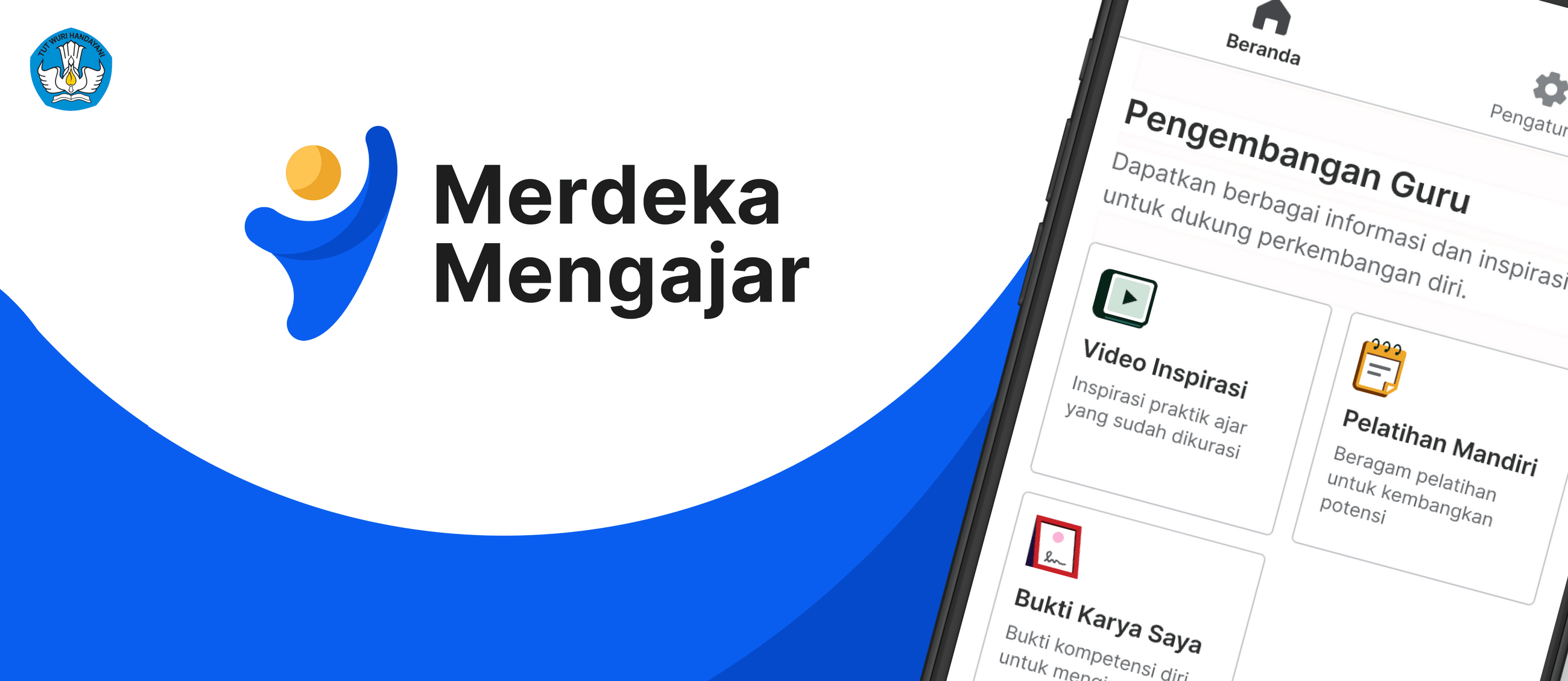
Indonesia did this with its education stack, and I helped build the brand layer of it. OECD-OPSI described the approach in one line: "the conventional top-down government direction is decoupled through a bottom-up, data-backed, and user-centric approach." Belajar.id, the single sign-on, was built for the teacher and the student first. It reached over nine million activated accounts. Merdeka Mengajar, the teacher platform, was shaped around what teachers actually do rather than what a ministry wanted to mandate. Its head of design at GovTech Edu put it plainly: the platform "is not designed as a prescriptive channel, but a channel that is interactive, collaborative, and involves the teacher community throughout Indonesia." It reached 3.1 million teachers.
Notice what the user-first artifact did to the other three publics. Nine million activations are an argument no committee can rebut, so the buyer needed no slide deck. A working system that teachers were already using set the terms of the conversation, so the regulator had nothing to reassure in advance. And the ecosystem of schools and districts adopted the thing because it was good enough to adopt, mandate or no. The artifact earned the consensus instead of waiting for it.
This is not a uniquely Indonesian trick. The US government's own Digital Services Playbook tells teams to ship a working MVP "no longer than three months from the beginning of the project." Digital NSW documents discovery in weeks and beta in months. The fast cadence is the published standard. The multi-year consensus march is the deviation, and it persists because serving the buyer and the regulator first feels safer than putting an unfinished thing in front of a real user.
That instinct is the most expensive way to fail. You find out the user was never served only after the buyer, the regulator, and the ecosystem have all signed off on the wrong thing.
So here is the question for anyone running a public program right now. The next time your roadmap and your steering committee point in different directions, which one rewrites the other?



.webp)
.webp)
.webp)

